Weld Your Own Way: Why Building BMX Frames From Scratch Is Worth Learning
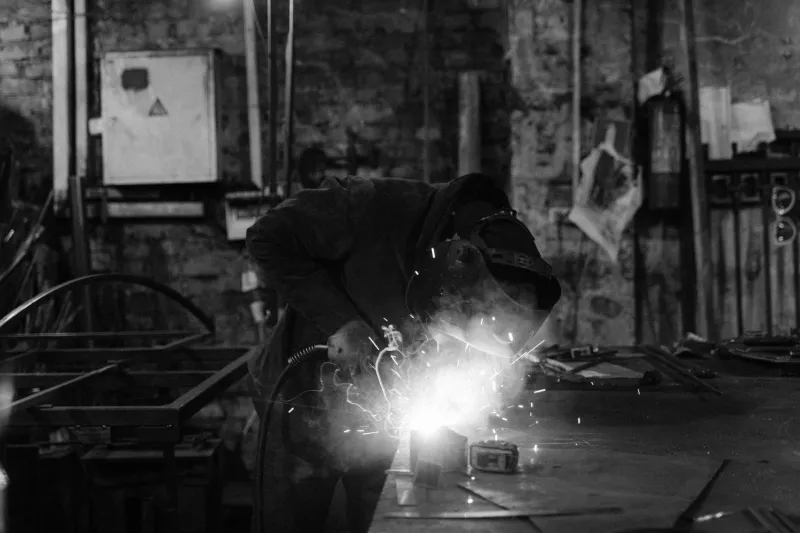
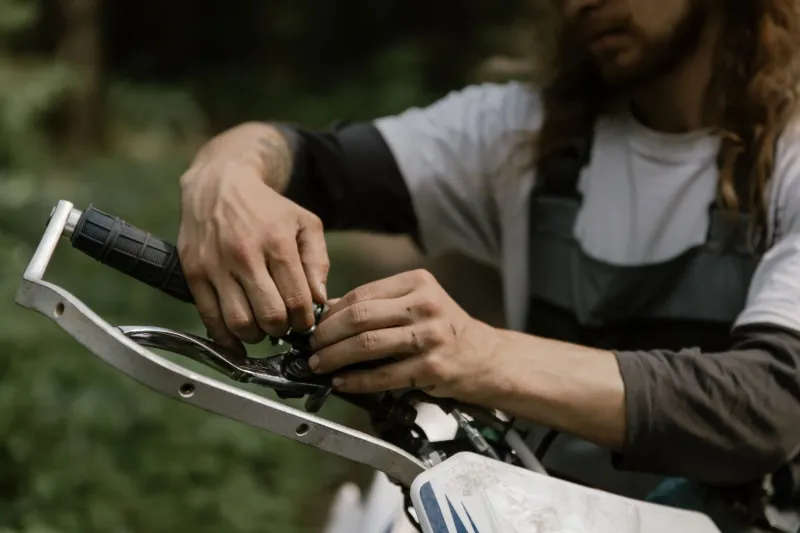
There's a version of BMX mastery that goes way beyond what you can do on a bike. It lives in garages across the country — in the glow of a welder's arc, surrounded by steel tubing and the smell of flux — where a small but growing number of riders are building the actual machines they ride. Not modifying. Not swapping parts. Building from raw material up.
Frame building in BMX has always existed at the fringes. For a long time it was the domain of small custom builders and boutique brands who catered to riders with specific needs that off-the-shelf geometry couldn't meet. But something has shifted in the last several years. More everyday riders — people who aren't professional fabricators or engineering students — are picking up the skill, and they're doing it for reasons that go well beyond saving money.
Why Riders Are Getting Into This
Ask someone who's built their own frame why they started, and the answers vary — but a few themes come up over and over.
Control is a big one. When you build your own frame, you decide the geometry. You decide the tubing diameter, the bottom bracket height, the head tube angle, the chainstay length. Every dimension is a choice you made based on how you actually ride. The difference between a frame built to your exact specs and a production frame you bought because it was the right price can be significant — especially for riders with bodies or riding styles that don't fit neatly into what's mass-produced.
Then there's the understanding factor. Riders who've built frames talk about how it changed the way they think about their bike on the street or at the park. When you know exactly what's happening at every weld, what stresses different parts of the frame absorb, and why certain dimensions behave the way they do, you ride differently. You're not just a user of the machine — you're someone who genuinely understands it.
And yeah, the cost angle is real too. A quality production BMX frame from a reputable brand can run anywhere from $200 to over $500. A comparable frame built yourself, once you have the tools and the knowledge, can cost significantly less in raw materials. The upfront investment in equipment is real, but for riders who are serious about the craft long-term, the math starts to make sense.
What You Actually Need to Get Started
This is where a lot of people get intimidated and walk away before they've really looked into it. Building a frame sounds like something that requires a fully equipped machine shop and years of trade school. The reality is more accessible than that — though it does require a genuine commitment to learning.
The core tool you need is a welder. For BMX frame building, TIG welding is the standard — it produces cleaner, more precise welds than MIG and gives you the control you need when working with the thin-wall chromoly steel tubing that most BMX frames are made from. A decent entry-level TIG setup will cost you somewhere in the $500–$1,000 range. That's not nothing, but it's a one-time investment.
Beyond the welder, you'll need a way to hold your tubing in alignment while you work — a basic jig setup. Some builders fabricate their own jigs, which is its own project. Others start with adjustable jig kits that are available through framebuilding suppliers. You'll also need tubing cutters or a miter saw capable of cutting steel accurately, a way to clean and prep your welds, and safety gear — helmet, gloves, and proper ventilation.
The tubing itself is typically 4130 chromoly steel, which is the industry standard for BMX. It's available through steel suppliers and framebuilding-specific vendors, and it comes in different diameters and wall thicknesses for different parts of the frame.
Learning the Craft Without Formal Training
This is where the internet has genuinely changed the game. The framebuilding community — across cycling disciplines, not just BMX — is surprisingly open about sharing knowledge. Forums, YouTube channels, and dedicated online communities have made it possible to learn a lot of the fundamentals without formal instruction.
That said, welding is a skill that takes real practice to develop. Before you attempt a frame, you need to be comfortable with your welder on practice pieces. Spend time laying beads on scrap steel, learning how heat behaves, how to control your travel speed, how to read what a good weld looks like versus a cold or porous one. This isn't glamorous work, but it's the foundation.
In-person workshops are worth seeking out if you can find them. Community colleges in many US cities offer welding courses, and some local maker spaces and fab shops will let you use their equipment and get informal instruction for a membership fee. Getting eyes on your technique from someone experienced will accelerate your learning faster than any video.
There are also framebuilding schools — places like United Bicycle Institute in Oregon, which offers courses specifically focused on bicycle frame construction. These are worth the investment if you're serious about developing the skill properly.
The DIY Frame Scene in BMX
The riders building their own frames aren't operating in isolation. There's a genuine community forming around this, partly online and partly in physical spaces — shared garages, local fab shops, maker spaces where a few riders have started pooling tools and knowledge.
What's interesting about this community is how it's changing the conversation around gear culture in BMX. In a space that has historically been driven by brand loyalty and product drops, there's something genuinely countercultural about a rider who shows up on a frame they built themselves. It shifts the conversation from "what brand is that" to something more substantive — about craftsmanship, about understanding, about ownership in the deepest sense of the word.
That's very much in the spirit of what BMX has always been at its core. The culture was built by people who figured things out themselves, who didn't wait for permission or resources they didn't have, who made it work with what was available. Building your own frame is just that ethos applied to the machine itself.
Start Small, Think Long-Term
If this is something you're genuinely interested in, the move is not to go buy a TIG welder tomorrow and try to bang out a frame in a weekend. The move is to start with the skill — take a welding class, get comfortable with the process, practice on scrap until your beads are clean and consistent.
From there, study geometry. Understand what different dimensions do to how a bike rides. Look at frames you love riding and try to figure out why they feel the way they do. Talk to other builders. Ask questions.
The frame will come. And when it does — when you're riding something you made with your own hands — that's a feeling no production run can replicate.