No Ref, No Rulebook: How BMX Scenes Police Themselves From the Inside Out
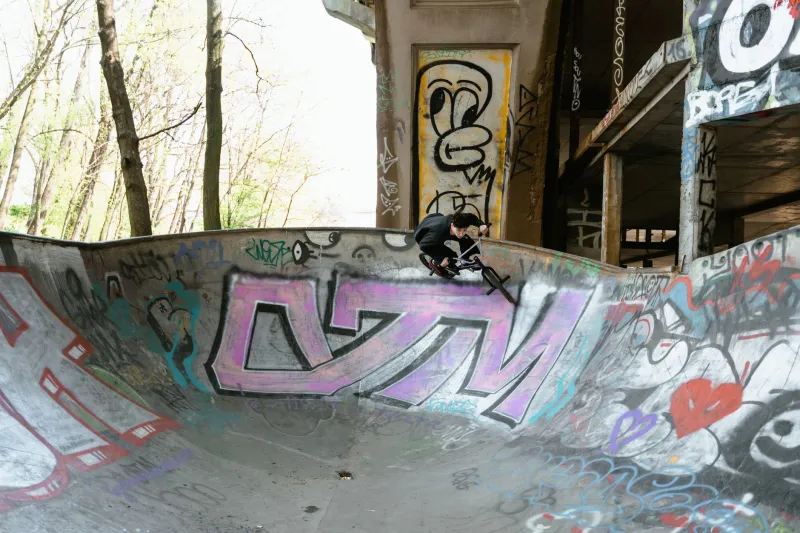
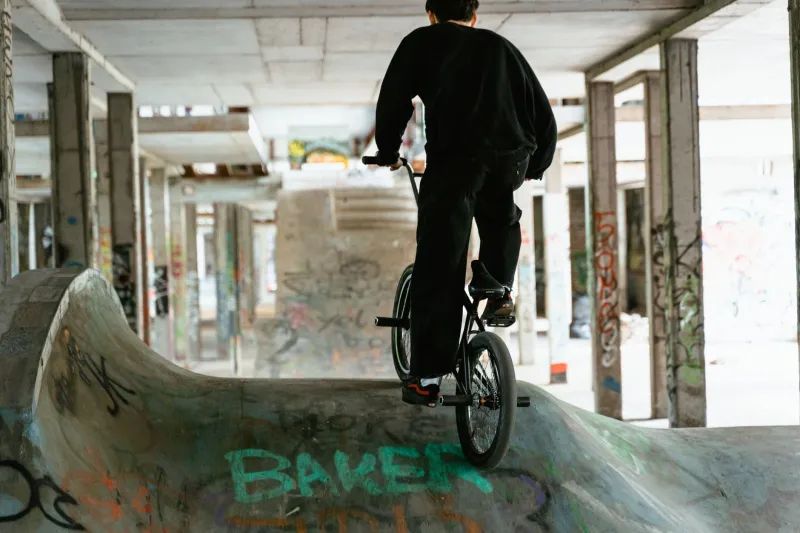
There's no hotline to call when someone's being a clown at your local spot. No league office. No HR department. When something goes wrong in a BMX scene — whether it's a rider disrespecting a spot, drama between crews, or someone crossing a line that can't be uncrossed — the community handles it. Always has. Probably always will.
And honestly? That system works better than most people outside the culture would ever expect.
The Unwritten Rules Aren't Really Unwritten
Every local scene has its own flavor, but the core codes are remarkably consistent across the country. Don't trash the spot. Don't snake runs. Don't beef with people over stupid stuff when the cops are already watching. Give props when props are due. If you're new, read the room before you start acting like you own the place.
Nobody hands you a pamphlet. You pick it up by watching, listening, and — yeah — sometimes by getting checked when you step out of line. That's the thing about unwritten rules: they only stay unwritten because the culture is doing the work of passing them down. Older riders show younger ones how to carry themselves. That knowledge transfer is one of the most underrated things happening in BMX right now.
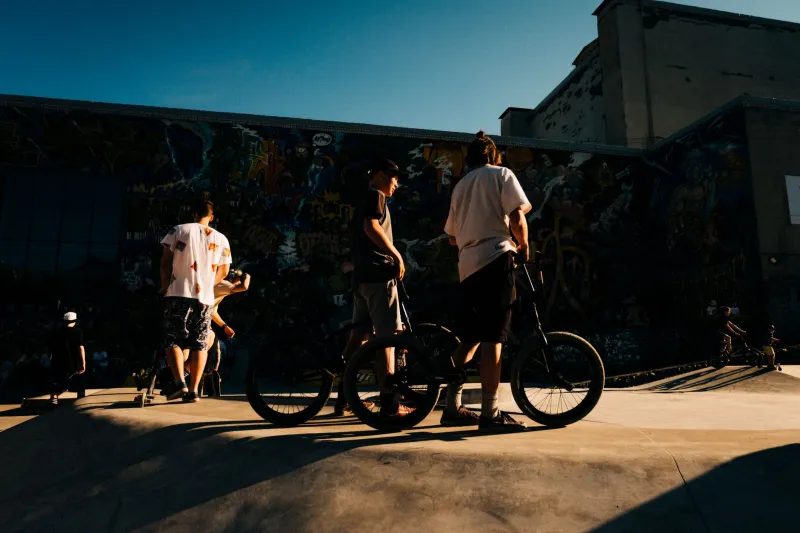
In skateboarding, you've got a similar vibe, but BMX scenes tend to be smaller and tighter-knit, which means the social pressure hits different. When your crew is fifteen deep instead of fifty, everyone knows who did what, and word travels fast.
Spot Preservation as Community Responsibility
Ask any rider who's been around for more than a few years, and they'll tell you the same thing: spots die because people don't respect them. Graffiti on the wrong wall. Trash left behind. Noise complaints at midnight. One crew coming through and acting like tourists who don't care if the place gets shut down — that's how a beloved spot turns into a no-trespassing zone with a padlock on the gate.
So the scene self-regulates. If someone's crew is known for leaving a mess or hyping drama that brings unwanted attention, they get talked to. Or talked about. Both carry weight. In tighter local scenes across the Midwest and Southeast especially, reputation is currency, and burning it means losing access — not just to spots, but to the community itself.
Some spots even have unofficial custodians. A rider or a crew that's been sessioning the same plaza or DIY setup for years takes quiet ownership. They're the ones who show up with a broom occasionally. They're the ones who'll politely (or not so politely) let newcomers know what's expected. It's not formal, but it's real.
Territorial Dynamics: It's Complicated
Here's where it gets nuanced. Territory in BMX isn't really about ownership — it's about investment. The crews who built a DIY spot with their own hands, who spent weekends mixing concrete and hauling materials, have a legitimate stake in how that spot is treated. That's not gatekeeping. That's accountability.
But there's a line, and scenes that cross it start to rot from the inside. Cliquing up so hard that nobody new can break in, running off younger riders who just want to learn, making a spot feel unwelcoming based on nothing but ego — that's how scenes shrink and die. The best local communities thread that needle. They protect what they've built without turning into a closed circuit.
The unspoken rule that usually holds it together: if you're willing to put in work — show up, contribute, carry yourself right — you earn your place. That's a meritocracy most people outside BMX would actually respect if they understood how it functions.
How Beefs Get Handled (Or Don't)
Conflict is part of any tight community, and BMX is no exception. Beefs happen. Sometimes it's over a girl. Sometimes it's over a clip that got posted without credit. Sometimes it's two riders with big personalities and a small spot. Whatever the cause, how a scene handles conflict says a lot about its health.
The cleanest resolution? Usually a direct conversation, ideally at the spot, where both sides get to say their piece in front of people who know them. There's something about being held accountable in front of your community that cuts through the noise faster than any DM argument ever could. Social media has made beef easier to broadcast but harder to actually resolve — the best scenes recognize that and pull conflict back into the physical world where it can actually get settled.
The messier cases involve someone doing something genuinely egregious — stealing from another rider, putting someone in danger, or bringing the kind of heat that gets a spot shut down. That's when the scene's version of a verdict gets handed down. Not always loudly. Sometimes it's just a collective decision that a certain person isn't welcome at sessions anymore. The freeze-out is real, and it works.
Getting Called Out vs. Getting Written Off
There's an important distinction that healthy scenes understand: getting called out isn't the same as getting written off. A call-out is a correction. It means the community still sees you as redeemable — someone worth investing in enough to tell the truth to. Getting written off is different. That's when the scene stops engaging altogether.
The best communities leave a door open for people to come back around. Riders do dumb stuff, especially when they're young and still figuring out who they are. A scene that can hold someone accountable and still let them earn their way back in is a scene that actually grows people, not just skill sets.
That's the part that doesn't get talked about enough. BMX, at its best, is genuinely formative. The culture teaches you how to handle yourself, how to respect communal spaces, how to navigate conflict without running to an authority figure. Those are life skills, and they come directly from the informal justice system the scene runs on.
Why This Matters Beyond the Spot
It's easy to look at BMX's self-governance as some niche subcultural quirk. But it's actually a model worth paying attention to. In an era where everyone's waiting for an institution to solve their problems, BMX scenes across the country are quietly doing the work themselves — maintaining spaces, resolving disputes, setting standards, and passing down culture to the next generation without a single grant application or committee meeting.
Is it perfect? No. Scenes can be cliquey, inconsistent, and sometimes flat-out wrong in how they handle things. But the foundation is solid: community accountability, mutual investment, and a shared understanding that the culture is only as good as the people who show up for it.
Ride hard. Live free. And yeah — rep the culture like you actually give a damn about keeping it alive.