Paid to Pedal: The Honest Guide to Making Real Money as a BMX Creator
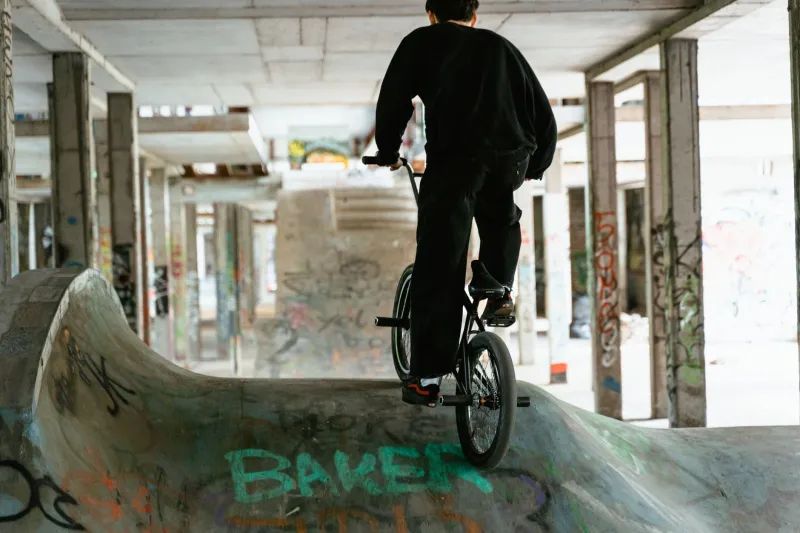
Let's be real for a second. The idea of getting paid to ride sounds like the dream, right? And for a growing number of BMX riders across the country, it's not just a dream anymore. But there's a version of "making it" that looks great on paper and feels hollow in real life—and then there's the version where you actually build something sustainable without torching your credibility in the process.
The difference between those two outcomes? It mostly comes down to how you approach the whole thing from the jump.
The Sponsorship Game Has Changed—Here's What That Means for You
Back in the day, sponsorships were pretty straightforward. You rode hard, someone from a shop or brand spotted your footage or saw you at a contest, and you started getting product. Maybe it scaled up from there. That pipeline still exists, but it's evolved in ways that actually open more doors for more riders.
Brands—especially smaller, independent BMX companies—are increasingly looking for creators who have a genuine connection to their audience, not just the biggest following. A rider with 8,000 deeply engaged followers who posts authentic riding content is often more valuable to a niche BMX brand than someone with 80,000 passive followers who never click through.
If you're serious about landing sponsorships, the move is to treat it like a real pitch. Build a media kit. Document your riding consistently. Show brands what your audience actually looks like and how they engage. And reach out directly—don't just wait to be discovered. Most smaller brands are run by people who ride themselves. A genuine, well-thought-out email goes further than you'd think.
Product Collabs: When Your Name Becomes the Brand
Sponsorship is one lane. Product collaborations are a different one entirely, and it's one that some riders are sleeping on.
A collab isn't just getting your name slapped on a colorway. Done right, it's you bringing creative input to something that actually reflects your riding, your aesthetic, your story. Riders who've successfully pulled this off tend to approach it less like a business transaction and more like a creative partnership. You're not just an ambassador—you're a co-creator.
This can look like a signature grips collab with a parts brand, a limited apparel drop with a local shop, or even a co-branded video series with a helmet company. The key is that it has to feel real. Riders can smell a cash grab from a mile away, and so can their audiences. If you're putting your name on something, you better actually use it and actually believe in it.
Digital Coaching: The Underrated Income Stream
Here's one that doesn't get talked about nearly enough: coaching and instruction. Not at a skatepark in person—though that's valid too—but online.
Platforms like Patreon, YouTube memberships, and even direct-to-consumer course platforms have made it genuinely viable for experienced riders to sell their knowledge. Breakdown videos, form critiques, beginner progression guides, trick tutorials with real technical depth—there's a real appetite for quality BMX instruction that goes beyond the surface level.
Riders who've gone this route say the key is specificity. Don't try to teach everything to everyone. If you're a park specialist, lean into that. If you're known for technical street riding, build your coaching identity around that. Your existing riding reputation is the credibility that makes people willing to pay for your insight.
And the economics can actually be pretty solid. Even a modest Patreon with a few hundred paying members at a low monthly price point generates consistent income that doesn't depend on a single brand writing you a check.
Content Licensing: Getting Paid for Footage You Already Have
This one surprises a lot of riders when they first hear about it. If you've been filming your riding consistently, you may be sitting on a library of footage that has real commercial value.
Brands, media companies, and even sports networks license BMX footage for campaigns, highlight reels, and editorial content all the time. There are stock footage platforms specifically built for action sports content. And when a brand approaches you about using a clip you posted organically? That's a negotiation, not a freebie.
Get in the habit of treating your content as an asset. Watermark your raw footage. Keep organized archives. And if you're putting serious production quality into your videos, consider registering that content properly so you have legal standing if someone uses it without permission.
Brand Partnerships That Don't Make You Cringe
Not every brand partnership has to be with a BMX company. Outdoor gear brands, energy drinks, apparel companies, even lifestyle brands outside the action sports space—these are all potential partners if the fit makes sense.
The riders who've navigated this well are the ones who set clear terms upfront. What are you actually agreeing to post? How many times? What's the approval process? Are you allowed to keep riding for other brands? These aren't awkward questions—they're professional ones. Anyone running a legitimate partnership deal will respect you more for asking.
The other piece of this is knowing your own red lines before you get into a conversation. What brands or categories are you not willing to work with, no matter what? Having that clarity ahead of time means you're never in a position where you're slowly compromising your identity one deal at a time.
Staying Real While Getting Paid
Here's the tension that every BMX creator who's building income has to sit with: the moment you start getting paid, someone's going to question whether you're still authentic. It's almost unavoidable.
But authenticity isn't about being broke. It's about whether your riding, your voice, and your choices still reflect who you actually are. Plenty of riders have built real careers without selling out—because they were selective, they stayed involved in the community, they kept riding for the love of it even when the cameras weren't rolling.
The riders who lose the plot are usually the ones who started optimizing for income first and riding second. The algorithm starts driving their decisions. They're chasing trends instead of progressing their own skills. Their content starts to feel like a job they hate, and their audience picks up on that energy fast.
The ones who get it right treat the money as a byproduct of doing the thing well. They'd be riding anyway. They'd be filming anyway. The income is just what happens when you build something genuine over time and get smart about how you structure it.
The Bottom Line
Making money as a BMX content creator is absolutely possible in 2024, and you don't have to sacrifice what makes you worth watching in order to do it. But it takes intention. It takes treating your riding and your content as something worth protecting, not just something worth monetizing.
Figure out which income streams actually align with how you ride and who you are. Build slowly. Say no to the deals that don't feel right. And keep your feet on the pedals—because the second you stop progressing as a rider, the whole thing starts to fall apart anyway.
Ride hard. Build smart. Rep the culture on your own terms.