Expensive Parts Won't Save a Weak Foundation: The Truth About BMX Gear Obsession
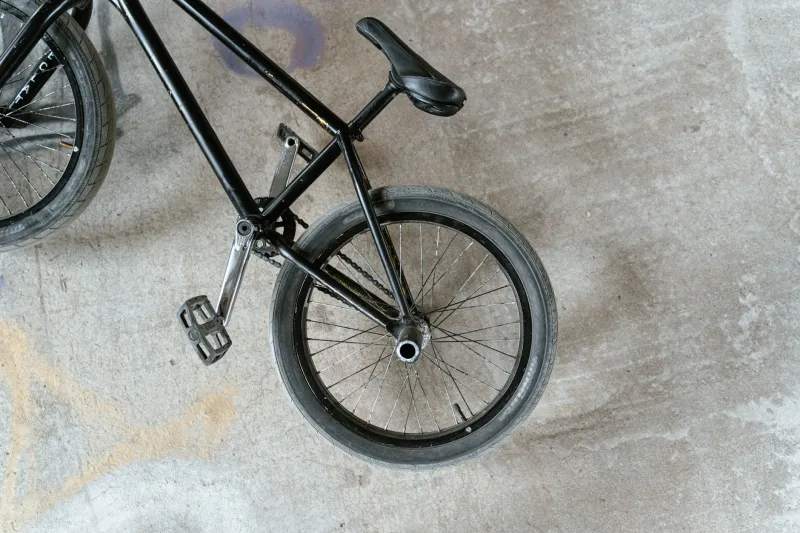
Scroll through any BMX forum or Facebook group long enough and you'll find it — the rider who just dropped $400 on a new stem, $300 on a set of signature cranks, and another $150 on a limited colorway saddle that matches nothing else on the bike. Their parts list reads like a flex. Their riding? Still working on that nose manual.
Look, nobody's here to shame anyone for loving gear. Half the culture is built on it. But there's a real conversation happening in BMX right now about whether the obsession with premium setups has quietly become a substitute for actual progression — and the riders who've been around long enough have some thoughts.
The Upgrade Loop Nobody Talks About
There's a psychological trap in action sports that the industry quietly depends on. It works like this: you watch a clip of your favorite rider, you notice their parts, you convince yourself that the gap between your riding and theirs is partly a hardware problem. So you buy. The riding feels fresh for a week or two — new bike energy is real — and then the plateau returns. So you buy again.
Marketers didn't invent this cycle, but they've absolutely perfected it. Limited drops, colorway exclusives, and signature series gear all tap into the same collector mentality that drives sneaker culture. The difference is that a pair of Jordans doesn't promise to make you jump higher. A new set of cranks kind of does, even if the ad copy is careful about how it says it.
The result is a generation of riders who know more about component specs than they do about body positioning, weight distribution, or how to properly bail out of a trick that's going wrong.
What the Pros Actually Rode Coming Up
Ask any veteran BMX rider about their early setups and you'll get a similar story. Walmart bikes with bent frames. Department store parts that got swapped out one piece at a time, usually after something broke. Riding spots that weren't parks — they were curbs, parking lots, and whatever sketchy DIY quarter pipe someone's older brother built in a backyard.
The skills those riders developed on garbage equipment became the foundation everything else was built on. When better parts eventually showed up, they had the technique to actually use them. The gear didn't create the rider. The rider was already there.
That experience is increasingly rare in today's scene, where complete bikes are better than ever at every price point and the barrier to buying premium isn't as high as it used to be. That's genuinely good news for access. But it's also removed some of the friction that forced earlier generations to get really, really dialed on fundamentals before they ever worried about what brand their bars were.
What Actually Matters vs. What's Just Marketing
Here's the honest breakdown. Some upgrades do make a measurable difference, especially for riders who've already developed solid technique and are starting to feel real limitations in their equipment.
Tires are probably the most underrated upgrade for most riders. The contact patch between your rubber and whatever surface you're riding is where everything happens. A quality tire with the right pressure for your weight and riding style will improve traction, control, and confidence more than almost any other single change.
Brakes matter if you use them. A properly set-up brake system with fresh cables and quality pads gives you a tool you can actually rely on in critical moments. Most riders who say they hate brakes have just never ridden a well-tuned setup.
Frame geometry is real, but it's also deeply personal and usually only becomes a limiting factor when you're already riding at a pretty high level. The idea that a beginner needs to obsess over head tube angle is mostly noise.
Signature cranks, limited stems, and matching colorways — these are for you, not your riding. There's absolutely nothing wrong with wanting your bike to look good. Own that. But be honest about what you're buying and why.
The Skill Debt Problem
Here's the harder conversation. When riders pour money into gear before they've put the hours in on fundamentals, they sometimes end up with what you might call skill debt. The setup looks the part. The rider doesn't quite back it up yet. That gap creates its own pressure — to perform, to justify the investment, to post the clip that matches the parts list.
That pressure isn't healthy, and it doesn't produce good riding. It produces rushed attempts, early bail-outs, and a weird anxiety about being seen on your bike without something to show for it.
The riders who tend to progress the fastest aren't necessarily the ones with the best gear. They're the ones who are comfortable looking like a beginner for as long as it takes, who session the same spot a hundred times without worrying about whether anyone's watching, and who treat their current setup — whatever it is — as good enough to get the work done.
Spend Smart, Ride Smarter
None of this is an argument against ever buying quality parts. If you've got the budget and you want a dialed setup, build one. There's real craftsmanship in this industry and the people making good components deserve support.
But if you're trying to figure out why your riding isn't where you want it to be, the answer is almost never in your parts bin. It's in your session time, your willingness to drill the basics, and your ability to stay consistent even when progress feels slow.
The best investment most riders could make right now isn't a new stem. It's two extra hours a week at their local spot, working on the one thing they've been avoiding because it's hard and not fun to film.
Your bike is a tool. Use it. The setup tax is optional.