When Your Kid Catches the BMX Bug: A Parent's Survival Guide
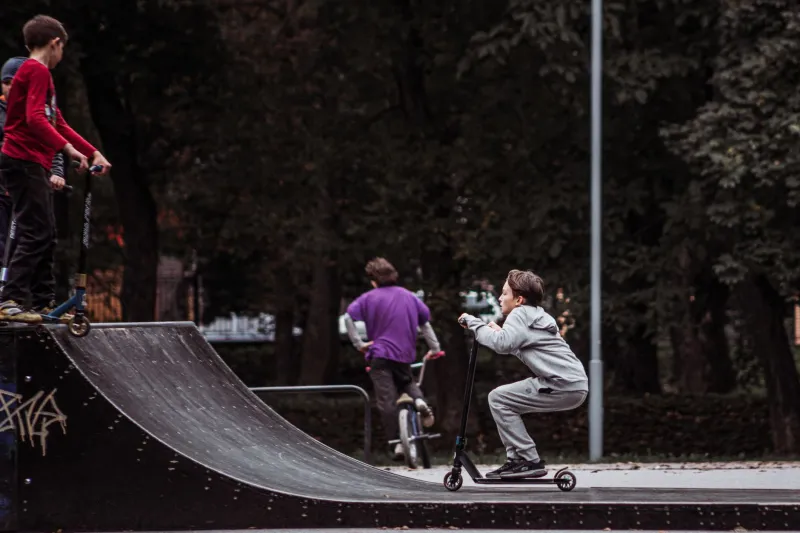
It usually starts the same way. Your kid watches a clip online, maybe catches a glimpse of someone throwing tricks at the local skate park, and suddenly — that's it. BMX is all they want to talk about, think about, breathe. You're standing there holding a receipt for shin pads wondering how you got here.
First things first: take a breath. You're not alone, and this doesn't have to be a financial or emotional catastrophe. Plenty of parents have walked this road before you, and a lot of their kids turned out better for it — more focused, more resilient, and more independent than they ever would have been sitting behind a screen. But yeah, there are real decisions to make and real money involved. Let's break it down honestly.
Phase One: Is This Real or Is This Tuesday?
Every parent knows the feeling. Last month it was skateboarding, the month before that it was guitar. So how do you know if BMX is actually going to stick?
The honest answer is you don't — not right away. And that's okay. What you're looking for in those first few weeks isn't talent. Talent comes later. What you're watching for is consistency. Is your kid asking to go ride every single day? Are they watching tutorials at dinner? Are they waking up early on weekends to get to the park before it gets crowded?
That kind of self-motivated behavior is your signal. It's not about how fast they learn to bunny hop or whether they can already manual. It's about whether the obsession holds when it gets hard — and BMX gets hard fast.
Smart move: don't buy expensive gear right out of the gate. Most local skate parks have community boards or Facebook groups where used starter bikes show up regularly. A solid entry-level complete bike from a reputable brand like Kink, Haro, or Sunday runs $300–$500 new, but a clean used one can be had for half that. Ride that wave for two or three months before you start talking upgrades.
The Gear Trap and How to Avoid It
Here's where a lot of BMX parents get burned. The sport has a culture of constant customization — riders are always swapping parts, chasing the perfect setup, upgrading their bars or cranks or wheels. It's genuinely part of the culture, and it's part of what makes BMX so personal. But for a kid who's six months in? That cycle can become a money pit fast.
Set a clear policy early: one upgrade per milestone. When your kid learns to consistently clear a specific trick or shows up to the park for 30 straight days without being asked, that's when a new part becomes a conversation. This does two things — it teaches the kid that gear is earned, not given, and it naturally slows down the spending without making you the villain.
Also worth knowing: helmets and pads are non-negotiable, and they're also where you shouldn't cheap out. A quality certified helmet from Triple Eight or TSG runs $60–$100. Knee and elbow pads from brands like 187 Killer Pads are worth every penny. Everything else — grips, pegs, even the bike itself — is secondary to protection.
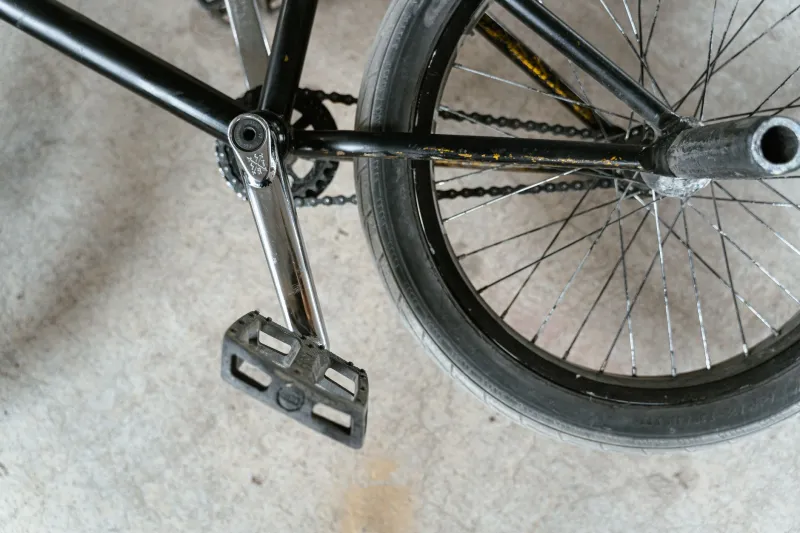
One more tip: get your kid involved in basic bike maintenance early. Teaching them to tighten their own bolts, check their tire pressure, and clean their chain isn't just practical — it builds ownership. A kid who understands their bike is a kid who takes better care of it and is less likely to demand replacements every few months.
Finding Your Tribe (and Why It Matters More Than You Think)
BMX isn't a solo sport in the way a lot of people assume. Yeah, the riding itself is individual, but the culture is deeply communal. The right local crew can make or break a young rider's development — not just technically, but mentally.
Start by hanging around your nearest skate park during peak hours and just watching the vibe. Most BMX communities are welcoming to younger riders when they show respect and put in work. Look for parks that have organized jam sessions, youth programs, or regular meetups. Cities like Austin, Phoenix, and Columbus have thriving scenes with strong community infrastructure. Even smaller towns often have a core group of riders who genuinely want to bring up the next generation.
Online communities like Reddit's r/bmx or regional Facebook groups can also point you toward local shops that sponsor youth riders or host beginner clinics. A good local shop is worth its weight in gold — they'll give your kid honest advice, won't oversell them on parts they don't need, and often become a kind of informal mentorship network.
As a parent, your job in these spaces is mostly to stay out of the way while staying present. Let your kid build their own relationships in the park. Don't hover. Don't coach from the fence. Show up, watch, cheer when it's appropriate, and let the culture do what it does.
Competition: When to Push and When to Pump the Brakes
At some point your kid is going to want to enter a contest. Maybe it's a local jam, maybe it's a regional qualifier. Before you start mapping out a competition schedule, have a real conversation about what they're actually after.
Are they competing to measure themselves against others? To win prizes? Because their friends are doing it? Or because they genuinely love performing under pressure? All of those are valid answers, but they lead to different approaches.
Competition fees for grassroots events are usually pretty manageable — $20 to $50 for local stuff. Travel competitions are a different story. Factor in entry fees, travel, lodging, and time off work, and a single out-of-state contest weekend can run $500 or more. That's a real investment, and it should come with real expectations on both sides.
Don't push competition before your kid is ready — or more importantly, before they want it. Some of the best BMX riders came up spending years just riding for the love of it before they ever entered a contest. Pressure too early can kill the joy fast.
What BMX Actually Gives Your Kid
Here's the part that doesn't get talked about enough in the parent conversations: the stuff BMX teaches that has nothing to do with bikes.
Riding teaches kids how to fail in front of people and get back up. It teaches them that progress is slow, nonlinear, and worth it anyway. It builds physical confidence in their bodies at an age when a lot of kids are starting to feel awkward and disconnected from themselves. And it puts them in a community that values authenticity over status — what you can do on a bike matters infinitely more than what your parents do for a living.
There's a reason so many BMX riders grow into adults who are unusually resourceful, self-directed, and comfortable with risk. The sport shapes you. It starts when you're young, and it sticks.
So yeah, there will be scraped shins and blown budgets and early Saturday mornings at the park. But if your kid has genuinely caught the bug — the real kind, the kind that doesn't go away — the investment tends to pay off in ways that are a lot harder to put a price tag on.
Ride hard. Live free. Even the little ones.