Built for the Feed or Built to Ride? How Likes Are Reshaping BMX Culture
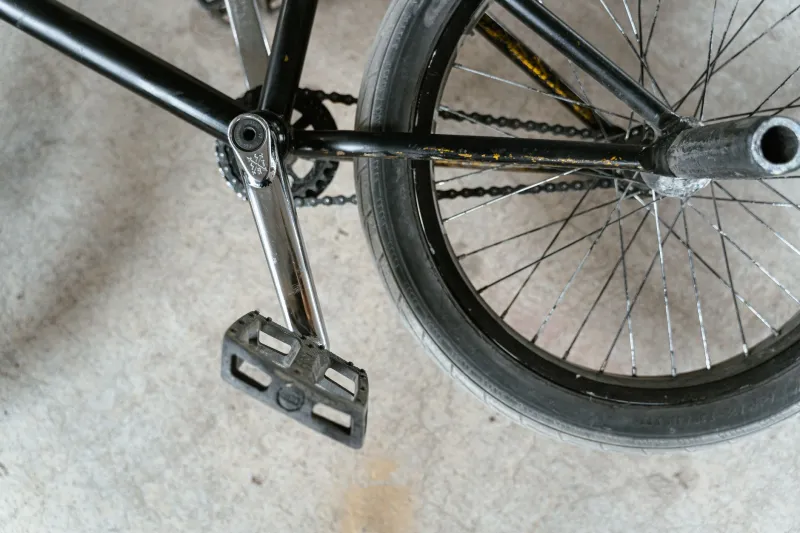
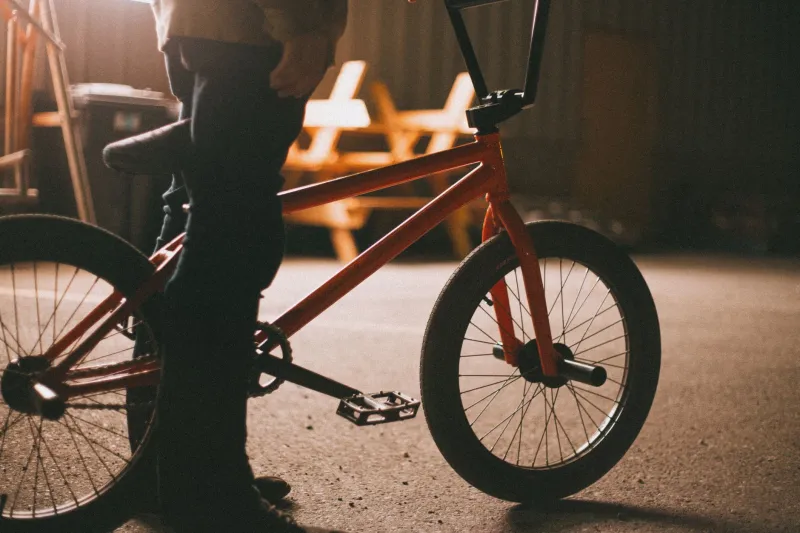
There was a time when a bike check meant rolling up to the spot, leaning your whip against a curb, and letting your boys talk trash about your stem length. It was informal, honest, and usually ended with someone doing a run. Nobody was worried about lighting. Nobody was thinking about aspect ratios.
That era isn't totally gone — but it's definitely sharing space with something new.
Today, a bike check can pull hundreds of thousands of views on YouTube. TikTok clips of fresh builds rack up saves from kids in Ohio who've never touched a park rail. Instagram reels with slow-motion part reveals get more engagement than actual riding clips. The setup — the physical machine a rider builds, maintains, and throws around — has become content. And that shift is worth talking about honestly.
From the Garage to the Grid
Back in the early days of BMX media, bike checks lived in magazines. Props, Ride BMX, Dig — they'd shoot a rider's setup, get a quote or two about why they ran a certain bar height or what cranks they were on, and that was the whole thing. It was functional journalism aimed at a tight community of people who actually wanted to know the technical details.
The internet changed the format. Forums let everyday riders post their own builds, and suddenly the bike check wasn't just a pro thing. Regular dudes in suburban driveways were cataloguing their parts lists and getting feedback from strangers across the country. That democratization was genuinely exciting. The knowledge spread faster, the community got bigger, and riders who weren't on any team could still feel connected to something larger.
Then came the visual platforms, and the whole dynamic shifted again.
When Instagram became the default way to share riding content around 2012 or so, aesthetics started mattering in a different way. It wasn't just about what parts you ran — it was about how your bike looked in a photo. Color matching became a bigger conversation. Polished chromoly versus raw finish. Matching grips to your sprocket. Stuff that had always been part of BMX style suddenly had an audience of thousands instead of just your local crew.
The Rise of the Visual Build
Nobody's saying that's automatically a bad thing. BMX has always had a visual identity — the way a bike looks is part of the culture, full stop. Riders have been color-coordinating setups and chasing specific aesthetics since the 80s. That's not new.
What is new is the degree to which the audience shapes the build.
Talk to riders who are active on social media and a lot of them will admit — sometimes reluctantly — that they've made parts decisions based on how something photographs. A certain frame color pops better in sunlight. A specific tire brand has a cleaner sidewall for close-up shots. Pegs that look aggressive on camera. It's not dishonest exactly, but it represents a layer of consideration that didn't exist when you were just building something to go ride.
The content economy has also created a market for the reveal. Unboxing videos, build-along series, "finally got my dream setup" posts — these formats treat the bike as an event, not just a tool. And that's genuinely compelling content that pulls new people into BMX. A kid in rural Tennessee who stumbles onto a clean build video might be inspired to start riding. That's real recruitment happening in real time.
But there's a flip side worth naming.
When the Setup Becomes the Point
Here's where things get a little uncomfortable: some builds you see online are clearly optimized for the camera, not the street or the park. Setups that look incredible in a flat lay photo but make zero practical sense for actual riding. Components chosen for clout rather than function. That's not BMX — that's cosplay.
The deeper issue is what happens to rider identity when the community's measuring stick shifts from what you can do to what you can post. BMX has always had a hierarchy, but it was traditionally built on skill and creativity. The person who got respect was the one who could throw down on a sketchy ledge or figure out a line nobody else had tried. When the metric starts tilting toward follower counts and engagement rates, that's a different kind of culture — and not necessarily one that reflects what the sport actually is.
Long-time riders in cities like Chicago, LA, and New York have been vocal about this tension. The comment sections on major BMX accounts are full of debates about authenticity, about whether certain riders are "industry plants" built for the algorithm rather than the streets. That conversation is healthy, even when it gets heated.
The Community Is Still the Community
Here's the thing though — for all the valid criticism, social media hasn't killed BMX culture. Not even close. If anything, it's expanded who gets to participate in it.
Riders who would have been completely invisible ten years ago — people in smaller cities, riders from underrepresented backgrounds, women and non-binary riders carving out space in a historically male-dominated sport — now have direct access to an audience. They don't need a sponsor to be seen. They don't need to be on the right team or live in the right city. A phone, a decent setup, and something real to say is enough to build a following and contribute to the culture in a meaningful way.
The bike check, in that context, becomes more than a gear list. It becomes a statement of identity. The way you build your bike reflects where you ride, who influenced you, what you care about. That's always been true — social media just gave it a megaphone.
So What Does It Mean Now?
Maybe the honest answer is that the bike check revolution isn't one single thing. It's a messy, ongoing negotiation between old values and new tools.
The riders who are doing it right are the ones who use the platform to show their actual riding, not just their parts list. Who build setups that reflect genuine preferences, even when those choices don't photograph perfectly. Who engage with their audience like they would a local crew — with real talk, not a brand persona.
And the culture will sort out the rest. It always does. BMX has survived corporate takeovers, Olympic politics, and more trend cycles than anyone can count. A few algorithm-chasing build videos aren't going to change what this thing fundamentally is.
Ride hard. Post what you want. But make sure the bike actually goes somewhere.