Pavement to Profit: How BMX Riders Are Turning Passion Into Real Business
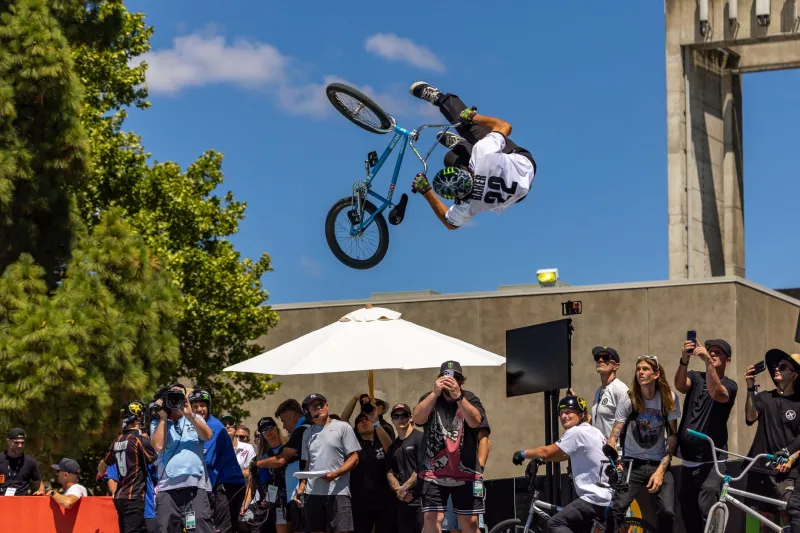
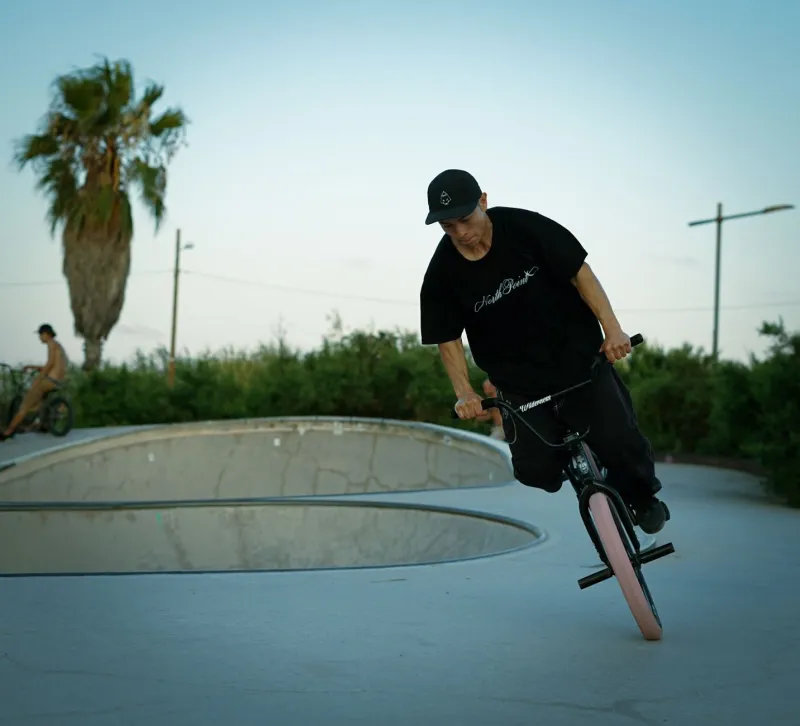
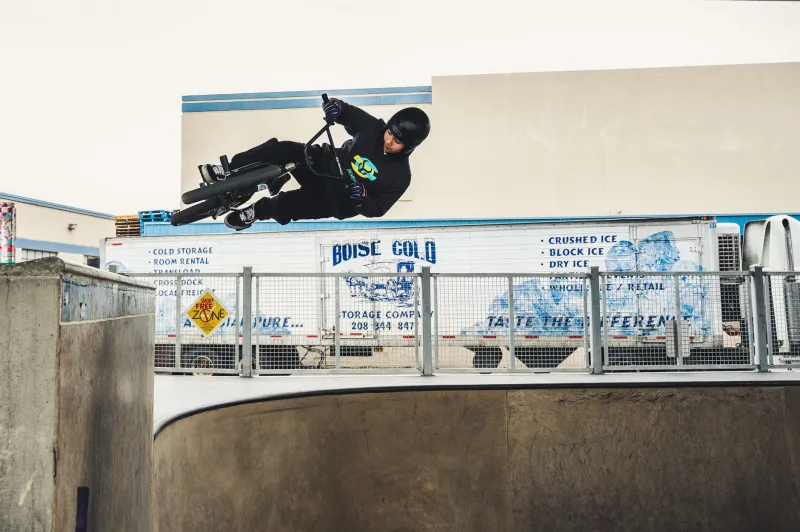
For a long time, the idea of making a living in BMX meant one thing: get sponsored, collect a check, and hope the checks kept coming. But that playbook has changed. A growing wave of riders — some still actively competing, others transitioning out of their prime years — are building businesses that are genuinely sustainable, legitimately profitable, and deeply rooted in the culture they grew up in.
This isn't about selling out. It's about leveling up.
The Shift From Rider to Entrepreneur
The old model was simple: get good, get noticed, get a sponsor. The new model is a lot more complex — and a lot more interesting. Riders today are thinking like founders. They're asking questions like Who is my audience? What do they actually need? How do I build something that outlasts my ability to throw a double whip?
Take the rise of signature product lines. It used to be that only the top 1% of pros got a signature frame or bar. Now, riders with strong social followings and tight community ties are launching their own complete micro-brands — small-batch runs of parts, colorways, and accessories that sell out fast because the audience is loyal and the marketing is authentic. No agency needed. Just a real connection to the culture.
Content creation has also opened a lane that didn't exist a decade ago. Riders who can hold a camera, edit a clip, and tell a story are building YouTube channels and social media presences that function like full media businesses. Ad revenue, sponsorships, affiliate deals — it adds up. And unlike a traditional sponsorship, you own the platform.
Coaching Academies and the Next Generation
One of the most compelling pivots happening right now is the move into coaching and skills development. Riders who've spent years mastering technique are discovering that teaching is both financially rewarding and culturally meaningful.
Small-scale BMX academies are popping up across the country — in parking lots, at local parks, inside skate facilities. Some are one-on-one sessions booked through Instagram DMs. Others are structured programs with weekly clinics, progression tracks, and parent-friendly scheduling. Either way, the demand is real. Parents want their kids learning from actual athletes, not just watching YouTube tutorials.
The riders running these programs aren't just making money — they're building community. They're creating the next generation of BMX heads, kids who will eventually buy gear, attend events, and carry the culture forward. It's a business model with built-in cultural value.
Event Promotion: Where the Real Money Hides
Here's something a lot of people outside the industry don't realize: event promotion can be seriously lucrative when it's done right. Riders who understand the scene — who knows who to book, what format works, how to build hype without a massive marketing budget — are carving out a niche that traditional event companies can't easily replicate.
Grass-roots contests, jam sessions with entry fees, regional championships with vendor villages — these aren't just passion projects anymore. With the right sponsors, a solid ticketing strategy, and a venue that fits the vibe, a well-run BMX event can generate real revenue. And because the organizer is usually a respected figure in the local scene, the community shows up.
Some riders are even packaging events with content production — livestreaming the contest, selling highlight packages to brands, building a media asset that has value beyond the single day.
Staying Real While Getting Paid
The biggest fear in any subculture when money enters the picture is that authenticity gets traded for profit. It's a legitimate concern. BMX has a long memory and a sharp nose for anything that feels fake.
But the riders who are doing this well seem to have figured out a balance. They're transparent about what they're building. They keep their riding sharp and visible. They don't pretend the business side doesn't exist — they talk about it openly, which actually builds more trust than trying to hide it.
The key, from what we've seen, is staying connected to the local scene even as the business grows. The riders building the most durable brands are still showing up to the jam sessions, still posting raw clips from the spot, still giving time to younger riders who are just figuring it out. The business is an extension of the culture, not a replacement for it.
What This Means for the Scene
The fact that BMX can now function as a legitimate career path — not just for the elite few, but for a broader range of dedicated riders — is genuinely good for the culture. It means more people can afford to stay in it. It means more resources flowing back into parks, events, and product development. It means the scene gets stronger.
And it means that the kid grinding rails at the local park right now isn't just chasing a dream with no road map. There's a path. It takes hustle, creativity, and a real understanding of who you are and what you stand for — but it's there.
Ride hard, build smart. The culture's got more runway than people think.